August 26, 2010

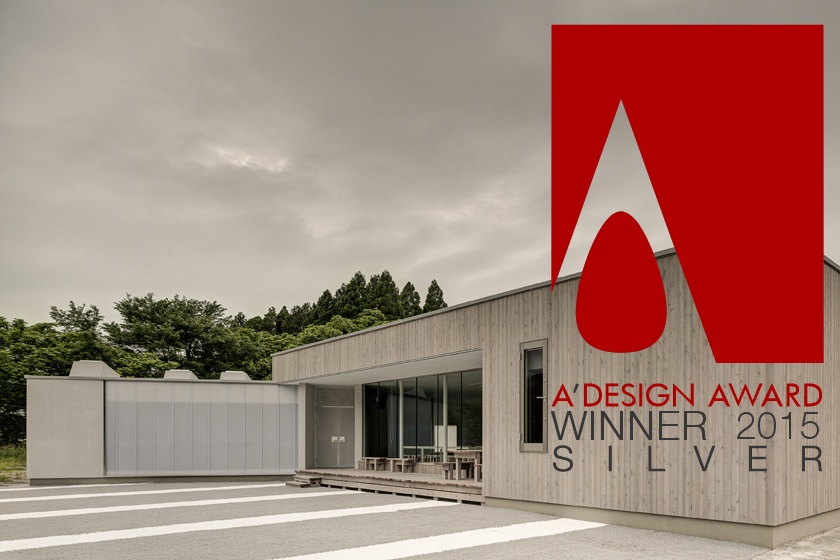
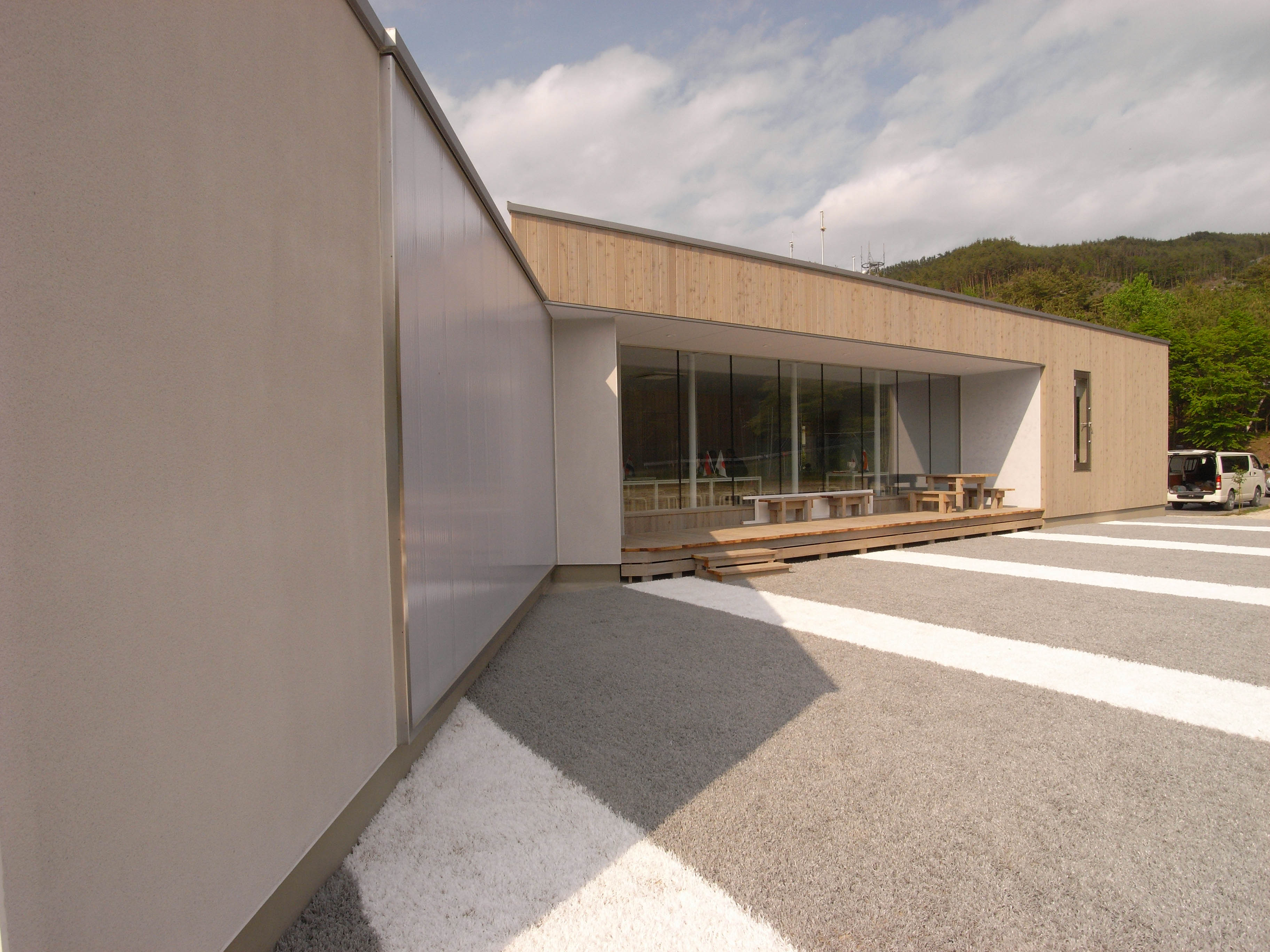
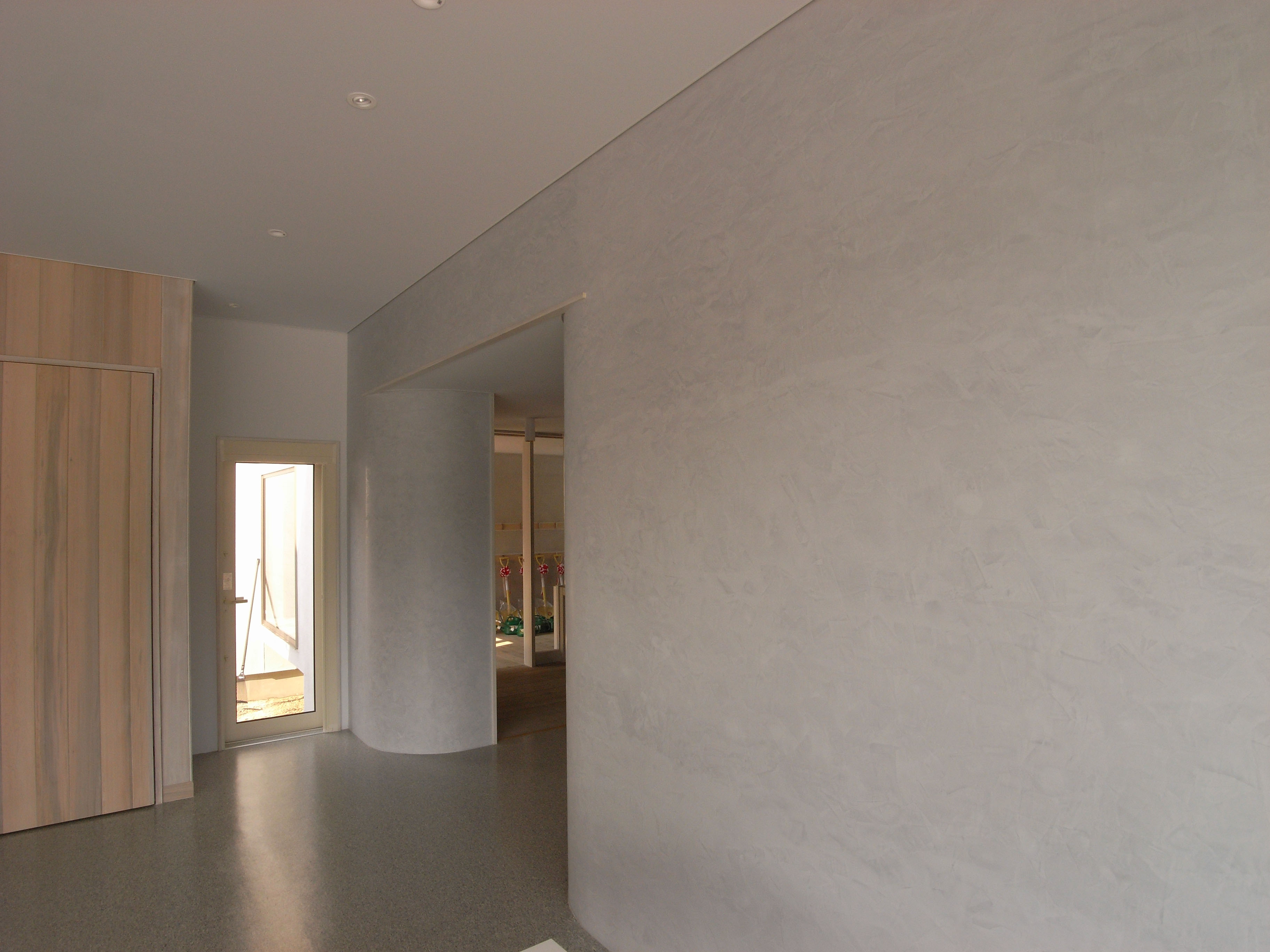
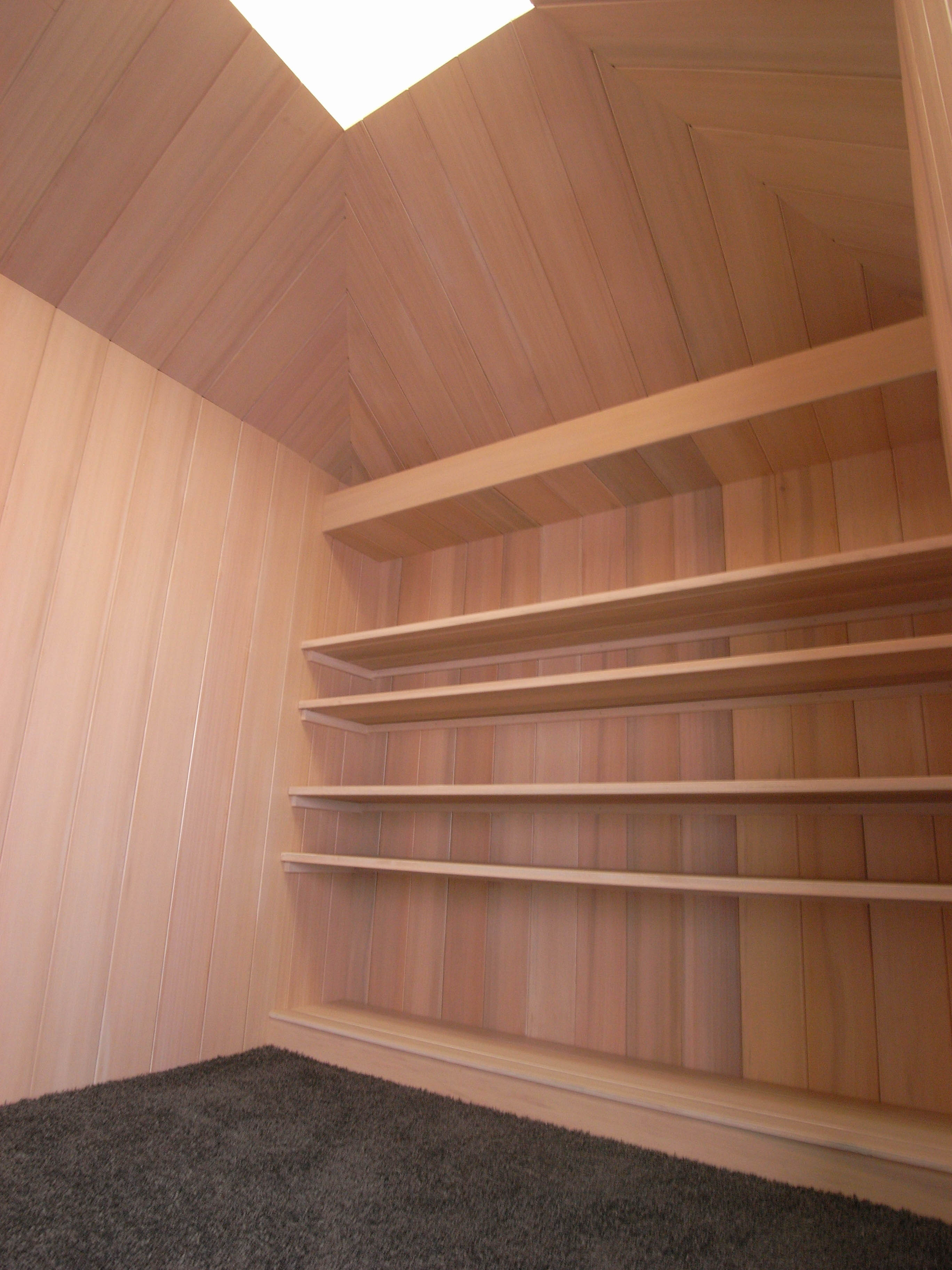
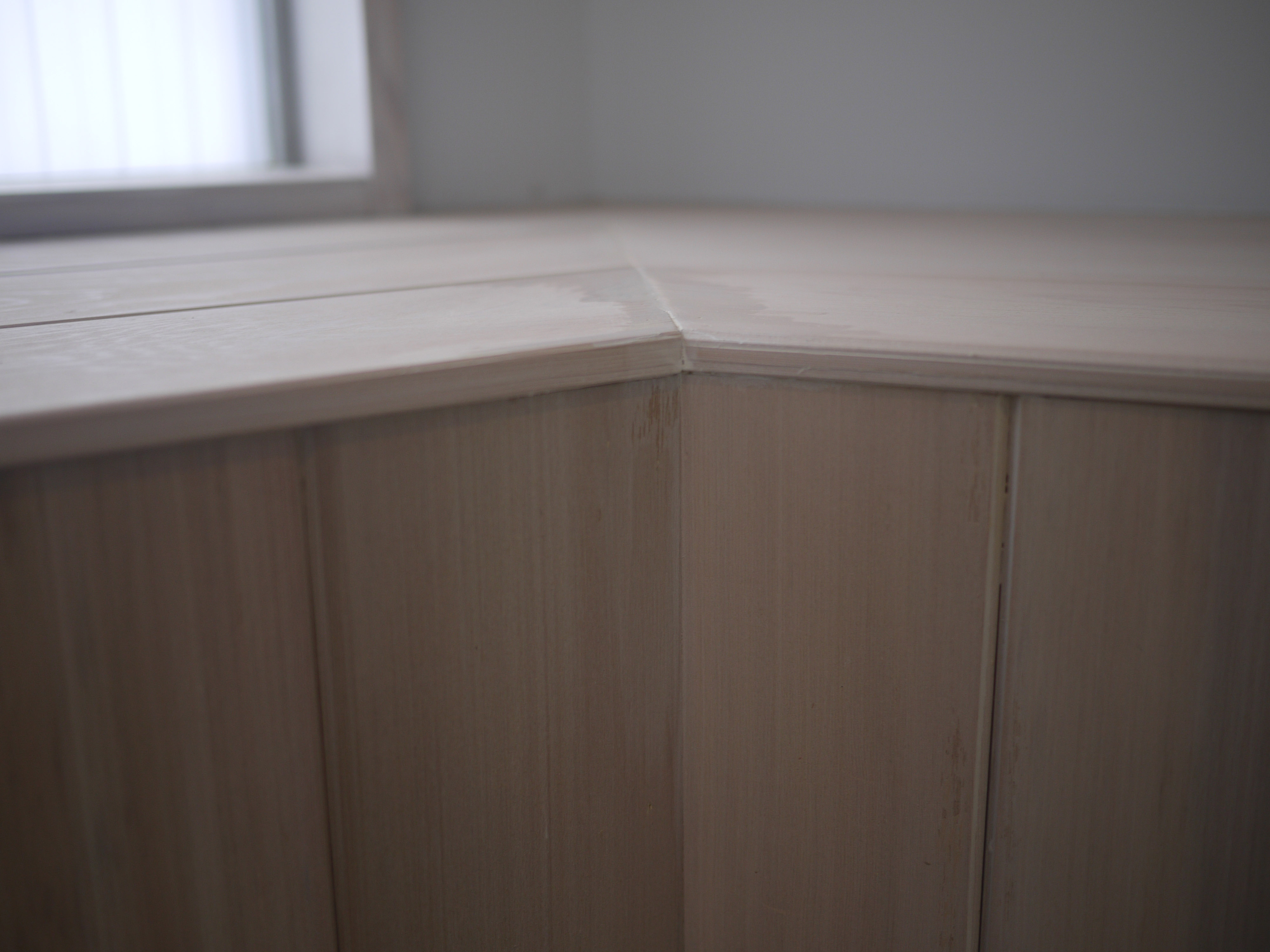
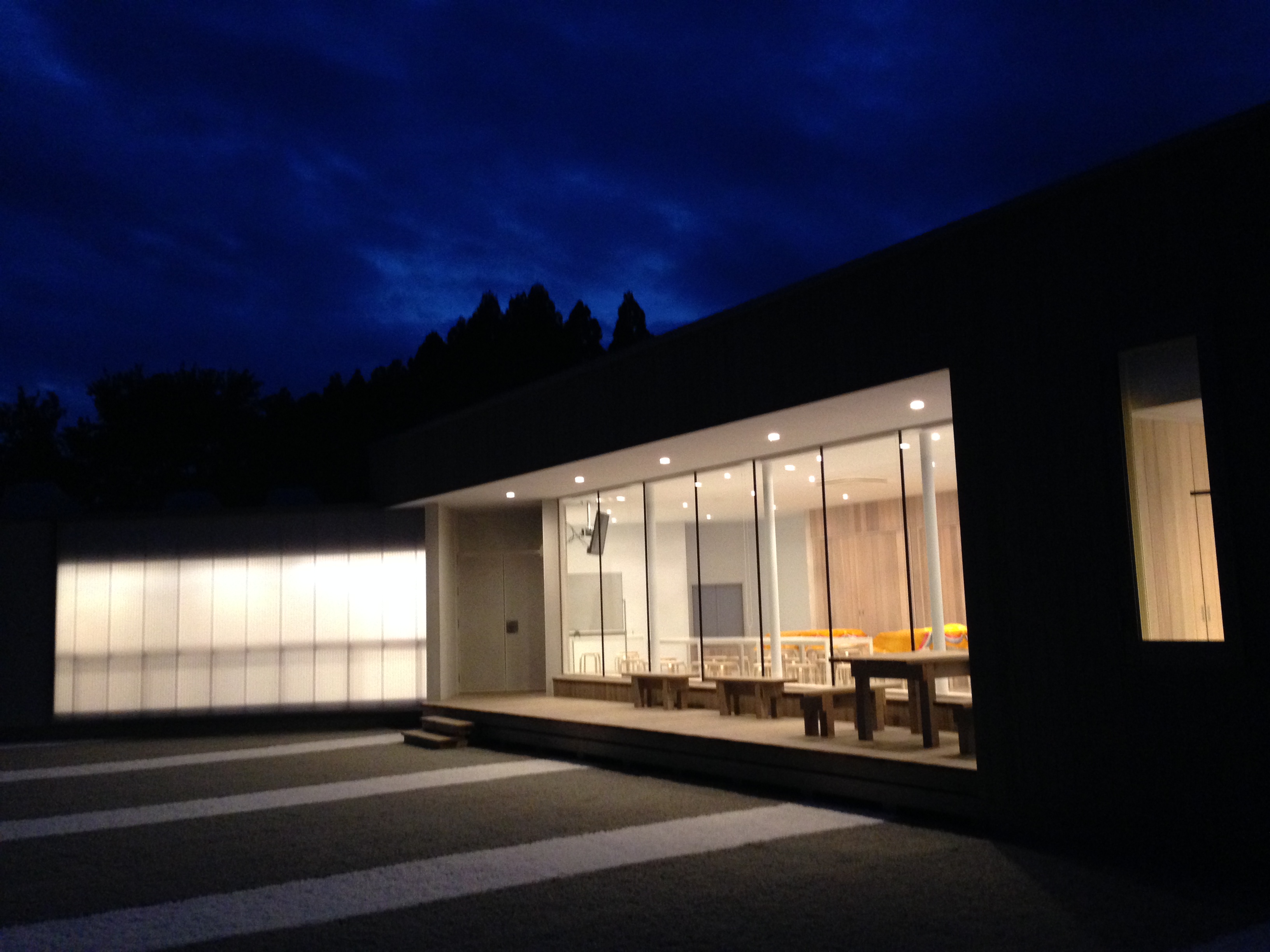
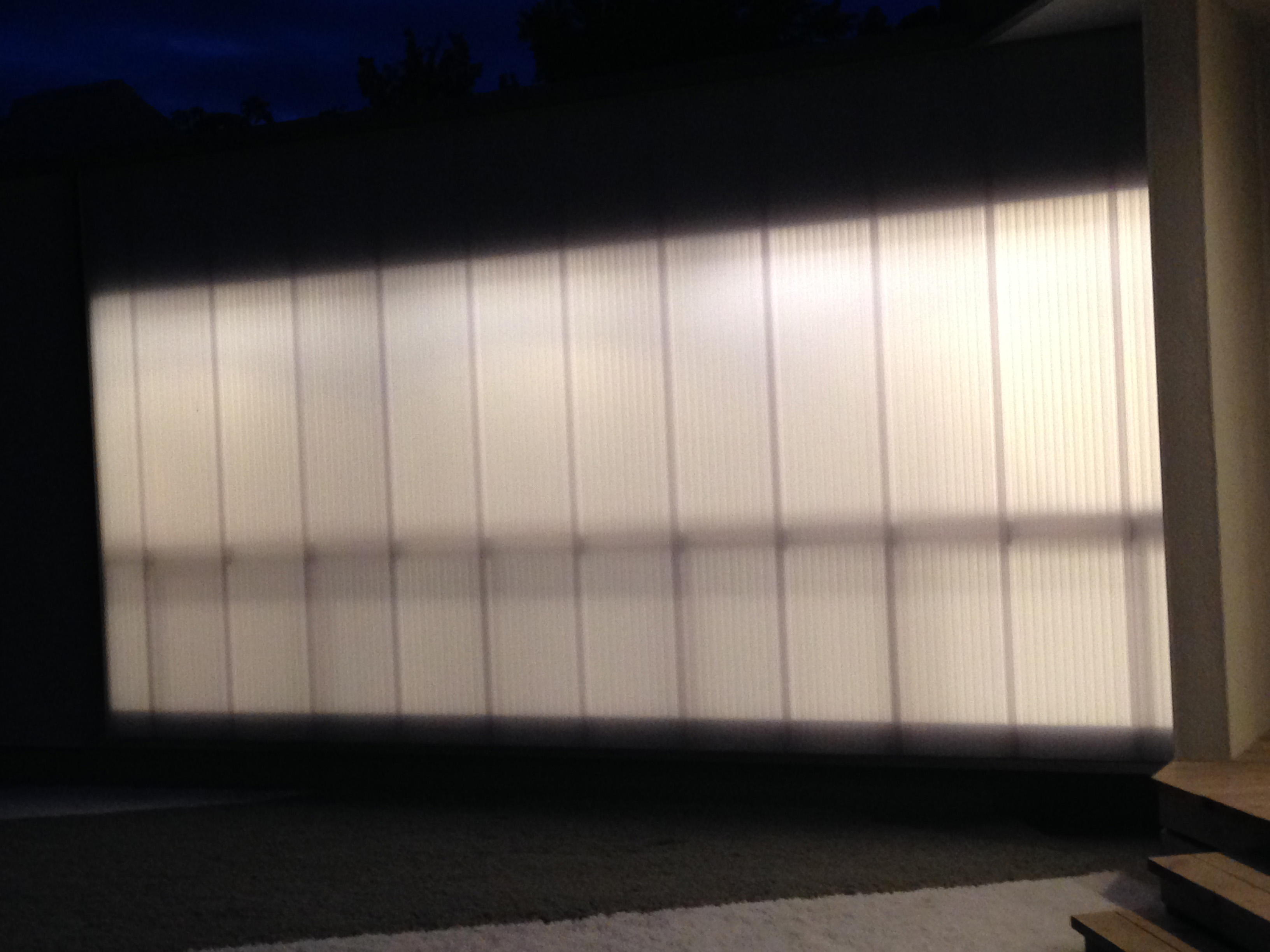
Penguin house

Interesting design solutions for a very small house.

August 17, 2010

How to clean your Apple keyboard

As you might know, keyboards are filthy. Here’s a quick(ish) guide on how to clean your Apple keyboard using common household goods:

August 9, 2010

Min house

Beautiful, tiny house in Buenos Aires by Pop Arq:
object width=”640″ height=”385″>

July 30, 2010

Dealing with idiots

July 23, 2010

Sit less

That office work has it’s pains is a well researched fact: various office related injuries or repetitive motion injuries such as Carpal Tunnel Syndrome have been well documented. As most of us a are spending more and more time behind computers problems like:

  • neck, shoulder, and lower back pains
  • headaches
  • irritability
  • difficulty sleeping
  • deteriorated vision
  • eye strain
  • eye irritation
  • red eyes
  • blurred vision

are all becoming part of our jobs.

I have always advocated to clients that having a diverse work environment, diverse in terms of design as well as seating, will benefit communications and help staff to perform their specific tasks at hand. A recent study however even shows that diversity of seating, and better non-seating arrangements will be beneficial for the staff’s health:

“Prolonged time sitting suppresses your immune system, which may increase the risk of cancer and other diseases. And your blood isn’t circulating as it should when you’re sedentary for long periods of time. When blood doesn’t flow thru your veins up to your heart, it could lead to dangerous blood clot. It also has metabolic consequences – increasing your resting blood pressure and cholesterol levels. Researchers say the metabolic effect may explain why the association was strongest for cardiovascular disease mortality in the study.”

Some of these studies date back to the late 1950′s when

“…a study found that people with sedentary jobs (bus drivers) were twice as likely as those with active jobs (mailmen) to develop cardiovascular disease. More recently, extended daily TV watching and time on the computer–which, like desk jobs, involve long periods of time sitting still–have been linked to a greater risk of metabolic syndrome, a constellation of health problems that can lead to diabetes and heart disease.”

Another reason to have standing height tables with bar stools or exercise balls instead of chairs in the office.

Or you could try the Office Walker:

Walk and Code from 8th Light on Vimeo.

July 18, 2010

ROWE

If you look at your own day at the office, don’t these office maths make sense?

8:00am
• Enter the office building.
• Drop your stuff in your office and head to the coffee maker.
• Chat with a co-worker about last night’s game
• Make coffee – it’s already empty
• Look for creamer – where is the damn creamer?
• Go to the supplies cabinet. Find old creamer and dump it in your coffee. Gag a few times and complain to everyone around you.
• Get sidetracked on the way back to your office. A co-worker wants you to check out their new truck. “Nice wheels” you say.
9:00am
• Plop down in a meeting.
• What’s this meeting about, anyway?
• Listen with one ear while daydreaming about the weekend.
9:30
• Update meeting participants about your project (START THE CLOCK)
• 9:35 Go back to daydreaming. (STOP THE CLOCK)
10:00
• Go to the bathroom
• Run to next meeting
10:05
• Chat with co-workers while waiting for everyone else to show up
10:15
• Start meeting
• Solve issue with last night’s logistics snafu (START THE CLOCK)
• Give update to team on upcoming shipment
10:45
• Blackberry rings – step out of meeting to take a call from child’s school. (STOP THE CLOCK)
11:00
• Go to your office
11:05
• Begin looking at emails (START THE CLOCK)
11:10
• Get interrupted by manager – asks you what you think about this crazy weather. (STOP THE CLOCK)
11:30
• Head to non-working lunch
1:00
• Back in the office.

In a Traditional Workplace, it looks like that dude already put in 5 hours of work!

In a ROWE, all  that dude did was put in exactly 40 minutes of work and wasted 4 hours and 20 minutes displaying presenteeism.

Next time someone says, “I put in 60 hours last week!” you can roll your eyes, because they are probably using Traditional Workplace Math.

via ROWE

January 11, 2010

Slave work

I thought this was already old news, it weren’t slaves who built the pyramids in Egypt. I wonder if in the future archeologists come to the same conclusion when they unearth today’s offices…

slaves

December 5, 2009

And cleaning a messy office

April 20, 2009

Getting things done

From David Allen‘s book called Getting Things Done

From 43 folders:

“The book describes a relatively simple methodology for dealing with the “stuff” in your life, where “stuff” may be things to do, people to talk to, appointments to keep or projects to manage and complete. The book has a strong focus on what is termed the Next Action: the very next thing you have to do on a given project or activity.

The core of GTD consists of a sequence of routines for dealing with incoming claims on your time. These routines are intended to provide a system for dealing with tasks that takes things off your mind by being external and trust-worthy:

  1. The Collection stage is where all stuff is gathered together in an unstructured manner. This stage involves writing down whatever things one can think of that needs doing (possibly using trigger lists), and all places where relevant information might accumulate, such as in folders and drawers, are emptied into one place.
  2. The Process stage is where these items are sorted, and the further activity needed by them is decided. For each item, one asks:
    • Does the item require further action? If so, we can either (i) do it now, recommended for tasks that can be completed in under 2 minutes, (ii) delegate it and place it on a monitor list, or (iii) defer it, by assigning a next action to it and placing it on an action list.
    • If not then we should look for any value the item has. Might the item suggest future action given further thought? Then we shouldincubate it, putting it on a sometime/maybe list. Does the item have archive value? Then file it.
    • If the item demands no action, is not a spur to future thought, and does not have reference value, then it is junk and you can junk it.
  3. The Organize stage takes these sorted items and puts them together in a form than can be used through the day for allocating tasks to time.
  4. Regular Reviews ensure the organisation is a system that can be trusted, by scheduling collect & process stages to ensure that nothing escapes, ensuring that projects are associated with sensible next actions, pruning action lists of irrelevant actions, and looking over sometime/maybe lists for new spurs to action.
  5. Finally, through the working day, the Do stage uses the organised task lists to get things done.”