February 11, 2010

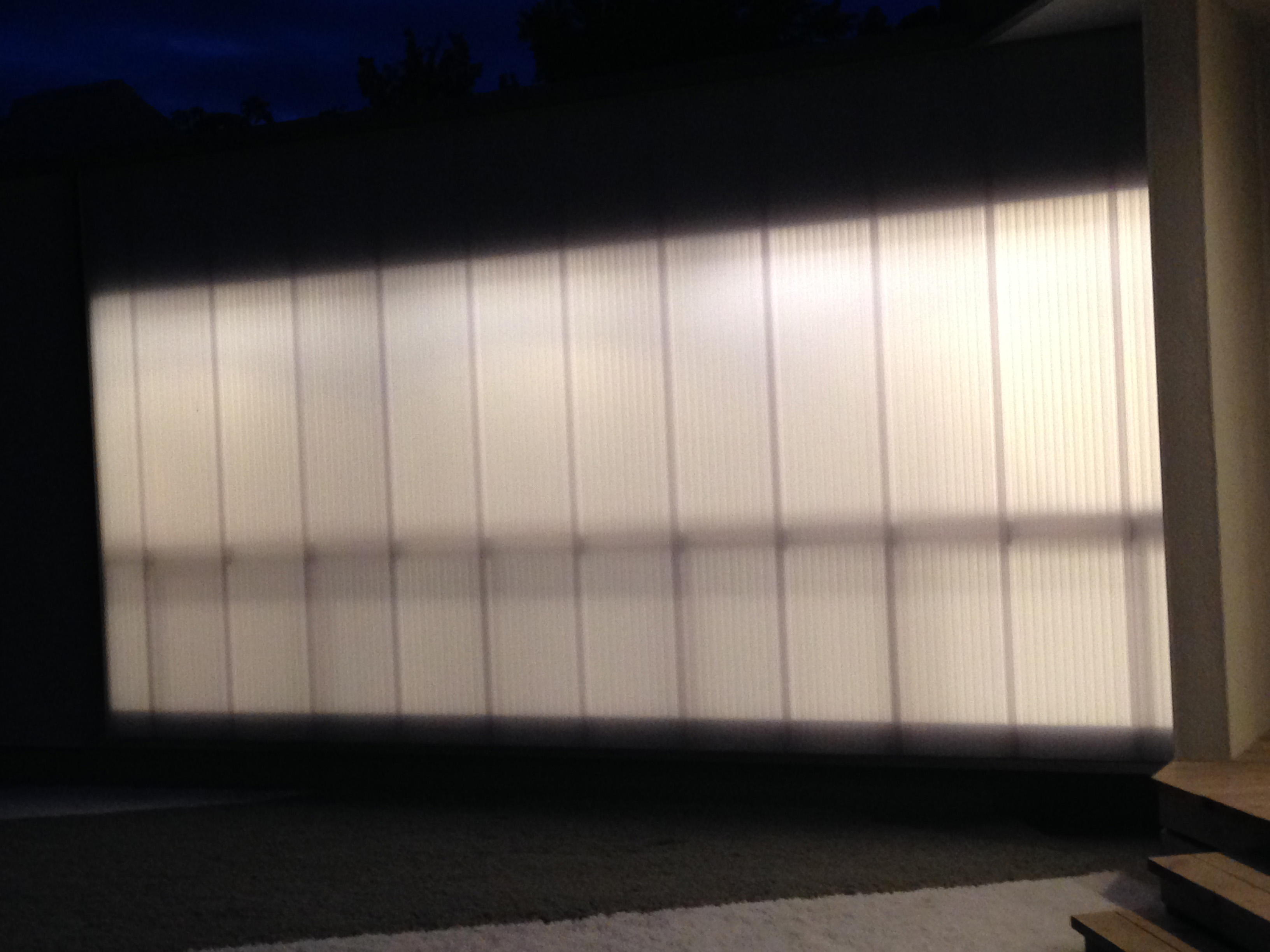
What’s a door anyway?

January 15, 2010

Headvertising’s office

A film of headvertising’s offices

January 14, 2010

Cool meeting room table

By sidekickstudios

Timetable from Ico Design on Vimeo.

January 5, 2010

Pod

Really cool pod

1234887349_877327890

December 13, 2009

Hey you, work harder!

tumblr_ku9x55RI1i1qz6f9yo1_1280

via

June 10, 2009

Concrete Pod

Cool concrete pod by Kazuya Morita. via What we do is secret.


June 5, 2009

David Byrne’s office

via UTNE reader

May 17, 2009

TED Offices

TED, well-know from the TED organization’s office which as the architects Tina Manis describe is “a place where ideas and communication flow continuously and freely”. (via archinnovations) Our own Ernst & Young project can be found there too.

May 14, 2009

Net hubs

In the early days of the web (don’t worry this is not a “once upon a time” story), in the early days of the web the limited access due to its technical nature meant that the people who used it were seen as hermits, people-shy geeks, who felt secured by the isolating element of the web. The early days of the web reinforced the geek’s idea of now finally (at last!) they were able to live without ever having to physically meet anyone. Now it was possible to order everything over the net, with the keyboard and the flickering green screen acting as a safe buffer between the modern day seclusive and the outside world. The internet acted as an individualizer. Ironically reinforcing the individuality of those who were afraid of social interaction as they went online they needed to proof their individuality but through their specific access codes, user names, passwords could hide behind larger than life avatars. The individualizing element of the web created the Kafkaesque fear that the web would turn us all into hermits, each of us psychologically unable to interact with anyone anymore. Even for sex we would use the computer for love, as the Kraftwerk song goes.

But as the net is becoming easier to access to more and more people we start to see that it is a great way of actually bringing people together. For example, when I joined Twitted recently I noticed that there are two types of tweets (is this how you call the people who are on Twitter?). There are those that are hunting for connections, their goal is to get as many connections as possible. Why? Maybe for to satisfy their ego (I have 100 or 1500 or 29,678 friends and that is important for ME to show this to everyone). What I also noticed is that apart from those that select their connections based on actual interesting topics, others are linking with people in their immediate vicinity. Although there is no actual filter in twitter to select locations (as far as I know) to do this, I noticed that many people based in Tokyo had a large part of their links to people based in Tokyo (or immediate vicinity).

One day after I went to a networking event, a message the next day on Twitter thanked 5 or 6 names that I knew from Twitter to having attended the event. I knew the online names, but was surprised that they were at the event as well. My point is that the border between online and offline is blurring. The net now provides ”us with the opportunity to meet more people than would be physical possible. But in contrast most of those online are not hermits, on the contrary many of the people online are very active both online as well as in real space. I have written in more detail about this in my chapter for the Denmark symposium paper “Tokyo City of Networks”. In the paper I argue that in cities such as Tokyo the net is providing an extra layer for the variuous tribes who are transversing the transitional spaces that is called Tokyo. I believe that when we think about the future of work, it are those urban nomads who easily jump from virtual into real space and back again that should be seen as the driving forces of where our societies are going. Many of the people I meet recently don’t have a typical nine-to-five-job anymore, but they all have professional passions and they meet up with liked minded people to share and discuss these passions. In a way the social networking sites are becoming more like dating platforms where contacts are initiated rather than merely ephemerally satisfied.

This is where space comes back again. Many of the network events are taking place in cafe’s or restaurants where presentations are given, name cards are exchanged, and new connections are made. Even though interesting by itself, wouldn’t it be even better to rather than merely talking and listening there could be a place where you could all of this, plus have the opportunity to work together? Maybe the future of work, and the future of the office is in these kind of net hubs like this co-working space in Portland called Nedspace. The net as a social platform staged on a local level.

May 9, 2009

Moss carpet

A moss carpet made from Terramac, an eco-friendly 3D knitted and spun fabric which serves as a receptacle for the planter’s roots, protects the seeds, and holds the moss together. Made from plant-derived polylactic acid fiber, “this material is decomposed (biodegraded) by microorganisms in compost or in soil after 10 years. Eventually only carbon dioxide and water remain”. As the planter biodegrades, CO2 is captured by the plants through the process of photosynthesis. The name Terramac® means “sons of the mother earth”.

The result of using this is absolutely stunning. (via inhabitat

Now to find a client who would like to use this…