September 26, 2006
Beaux arts-modernism-post-modernism- minimalism-graphicism (as this is how I see the latest trend to add graphics in interiors and on exteriors.) “For every action there is an equal and opposite reaction” is Newton’s third law of motion and seems to work equally well for the waves of which design moves. Monetary value for the designer thus is in being able to surf these waves, like Philip Johnson did during his long career. (According to Johnson architects are high-class whores.)
Others seem to have to be patient like the self proclaimed “architect of the American dream” Morris Lapidus, who in the 50’s and 60’s designed hotels that were described as “the nation’s grossest national product”, “superschlock” or “pornography of architecture”. Despite the flaming words of the critics Lapidus had many large commissions, mainly hotels. Like Johnson, Lapidus lived long, he died in 2001 at the age of 98. In the final years of his life, during the post-modern period, his eclectic buildings started to get a lot of attention, finally Lapidus’s momentum came. A lesson in the value of design: Morris Lapidus made a fortune designing hotels for the glamorous, but he seemed to long for peer recognition for which he had to wait very long indeed.

September 25, 2006
Jeffrey Kipnis asked in “In the Manor of Nietzsche” why architects felt excluded from the stage of history when they had the opportunity to design the stage itself.
I believe that the emphasis on the sentence above should be on the opportunity that lies within architecture to be able, through its built form, to formulate a programme to create a setting for unlimited experiences.
I have earlier identified in a book called eBusiness and Workplace Redesign that the creation of spaces has gone through three distinct phases, each changing the hierarchical process that forms the creation of these spaces. First there are Sequential Spaces, these spaces are deeply imbedded in their context, the construction and the activities that take place within this space are all dependent on the dominant factor of the context. An example of a Sequential Space are Igloo’s; the context provides the only source for construction namely snow and ice. The activities are very much limited by the sequential character of the context. Next, are Parallel Spaces, their main objective has been to free construction from the limitations of the context. In Parallel Spaces, construction becomes the main element in order to be able to build anything anywhere in exact the same way. Examples of Parallel Spaces are the glazed, boxed Central Business Centres one can find in any city in the world. The third space are Transitional Spaces where we see a shift towards the emphasis on the activities, as construction and context are become one. The characteristics of Transitional Spaces is that they are interior orientated, operate 24 hours (or whatever time they feel appropriate) and have secure access control. Think of Disneyland, casinos or shopping malls, the construction creates its own context and the emphasis is on the activities that are taking place inside.
Venturi and Scott Brown have written about the architectural implementations of transitional space in “Learning from Las Vegas.” Joseph Pine and James Gilmore focus on the activities when they write in “The experience economy” that –ing is the thing: within the Transitional Spaces “work is theatre and every business [is] stage”. The emphasis is on what is happening inside these spaces, the activities that are taking place within. The well-know marketing concept such as Third Place has been coined by Ray Oldenburg. A Third Place is a location between home and work (first and second places according to Oldenburg) where people can relax in good company. Austrian guru and trend scout Christian Mikunda has written a book of recipes for “New Experience Worlds” and identifies in “Brand Lands, Hot Spots and Cool Spaces” that experience design should aim for spaces that become landmarks, emphasizing the circulation through the space, providing a leitmotif, or a strong concept that holds the place together and finally the design should aim to contain a magnetic attraction for visitors.
Examples in the book are Selfridges in Birmingham by Future Systems and Volkswagen Autostadt.
This should, I am convinced, not be limited to shopping, but be part of the experience in the workplace as well.
September 22, 2006
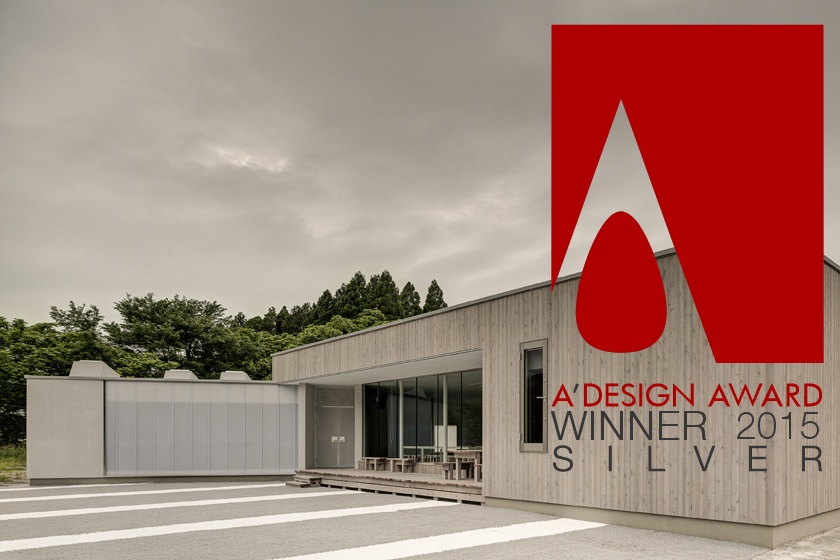
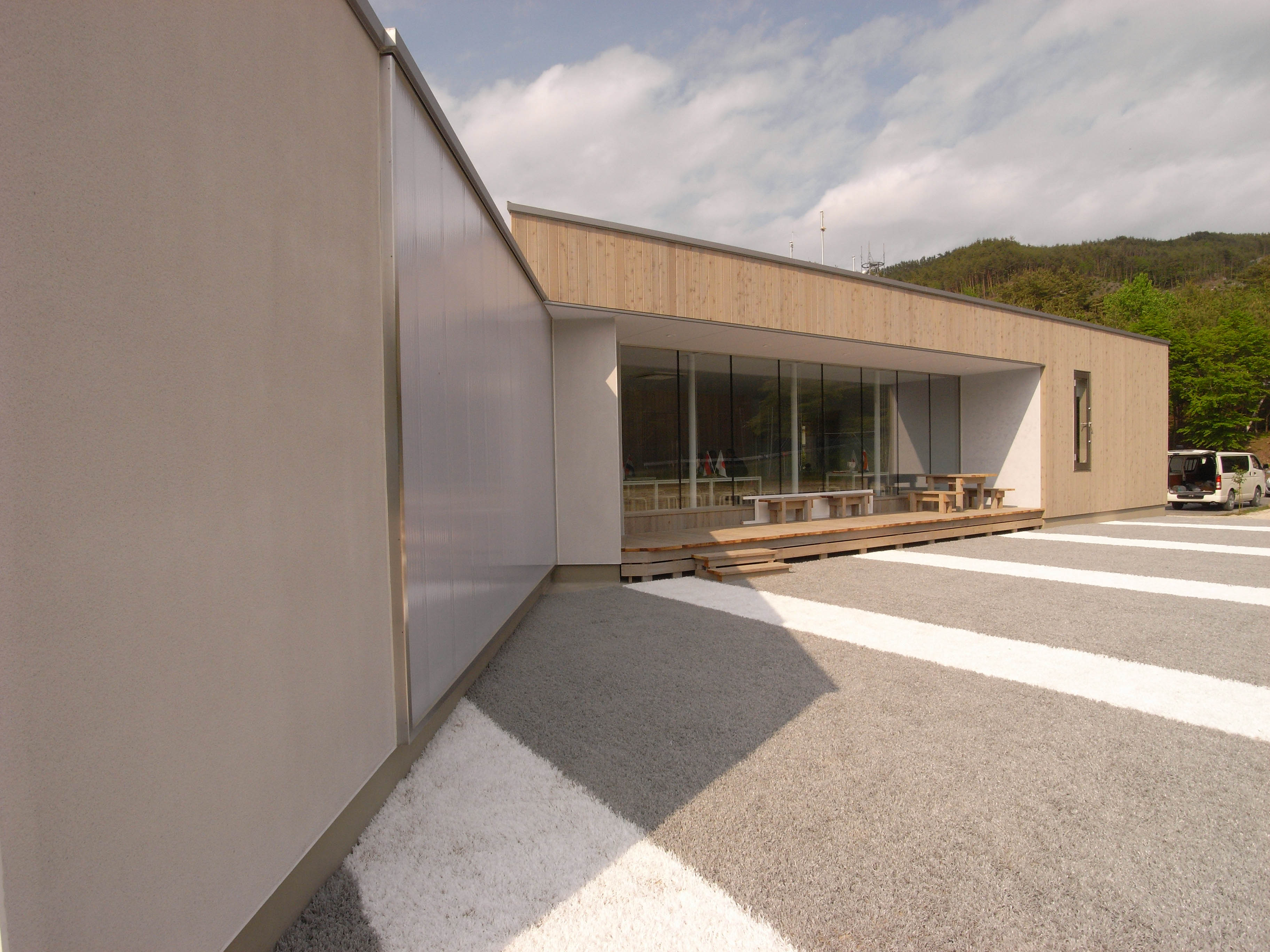
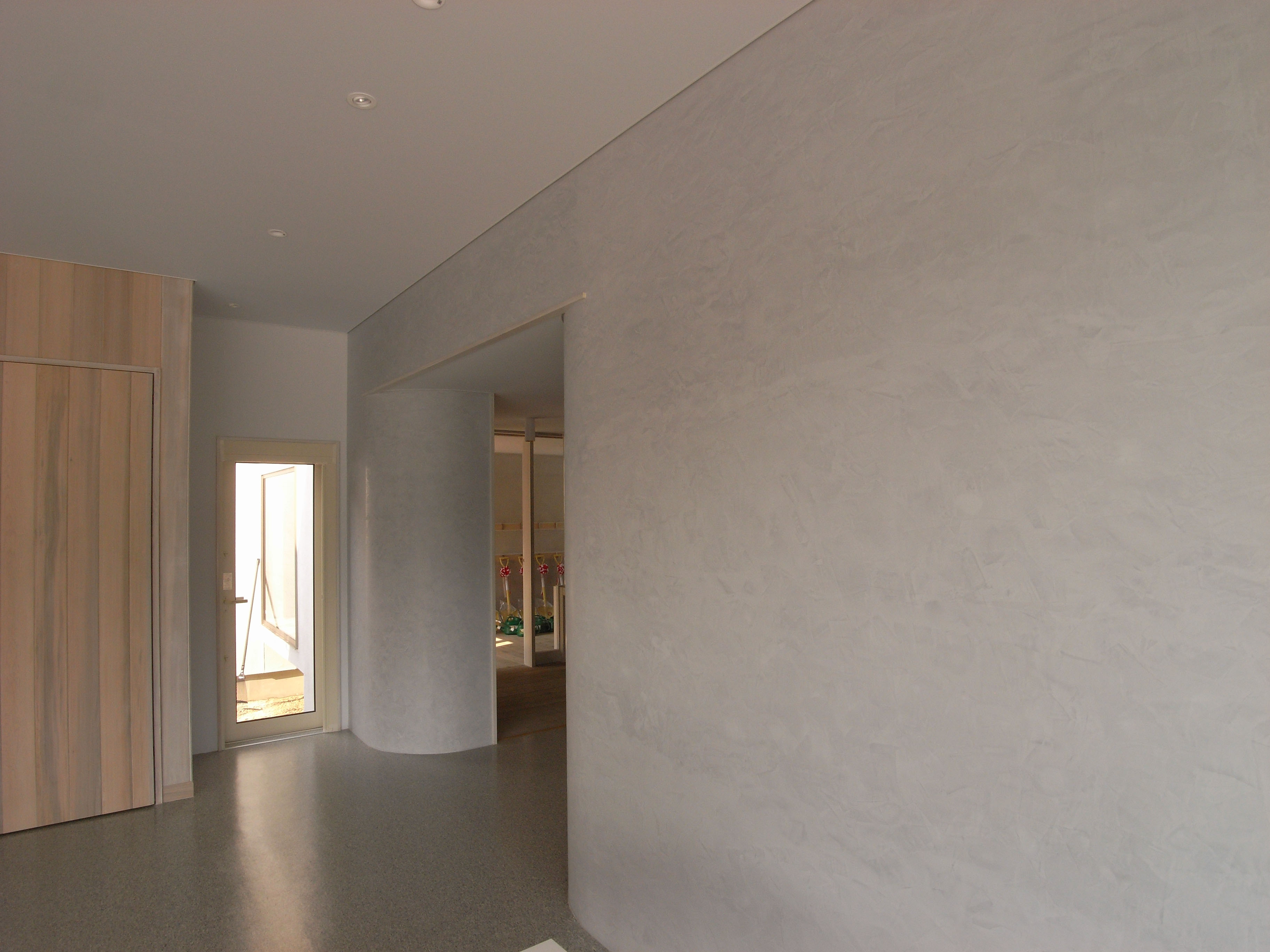
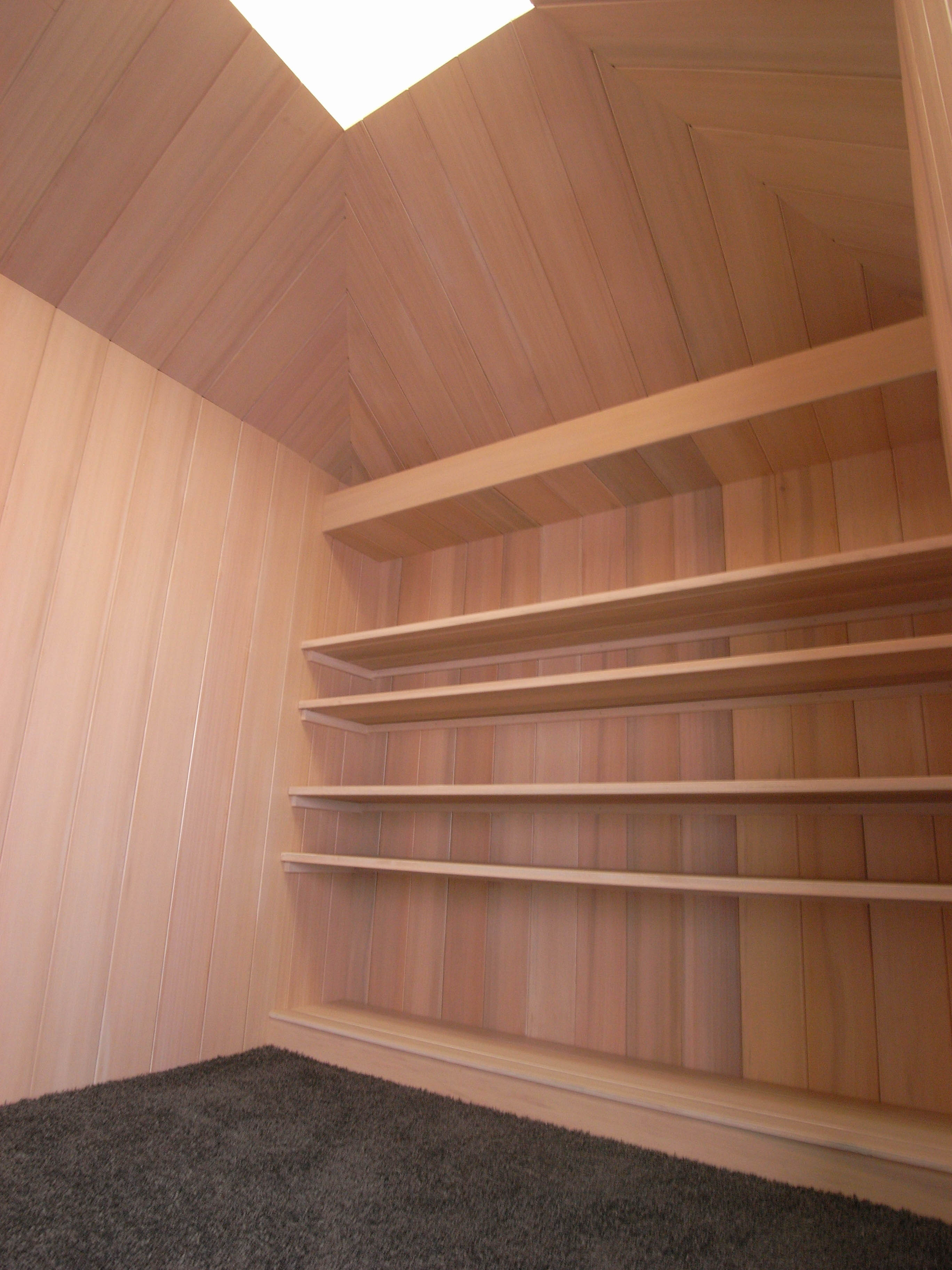
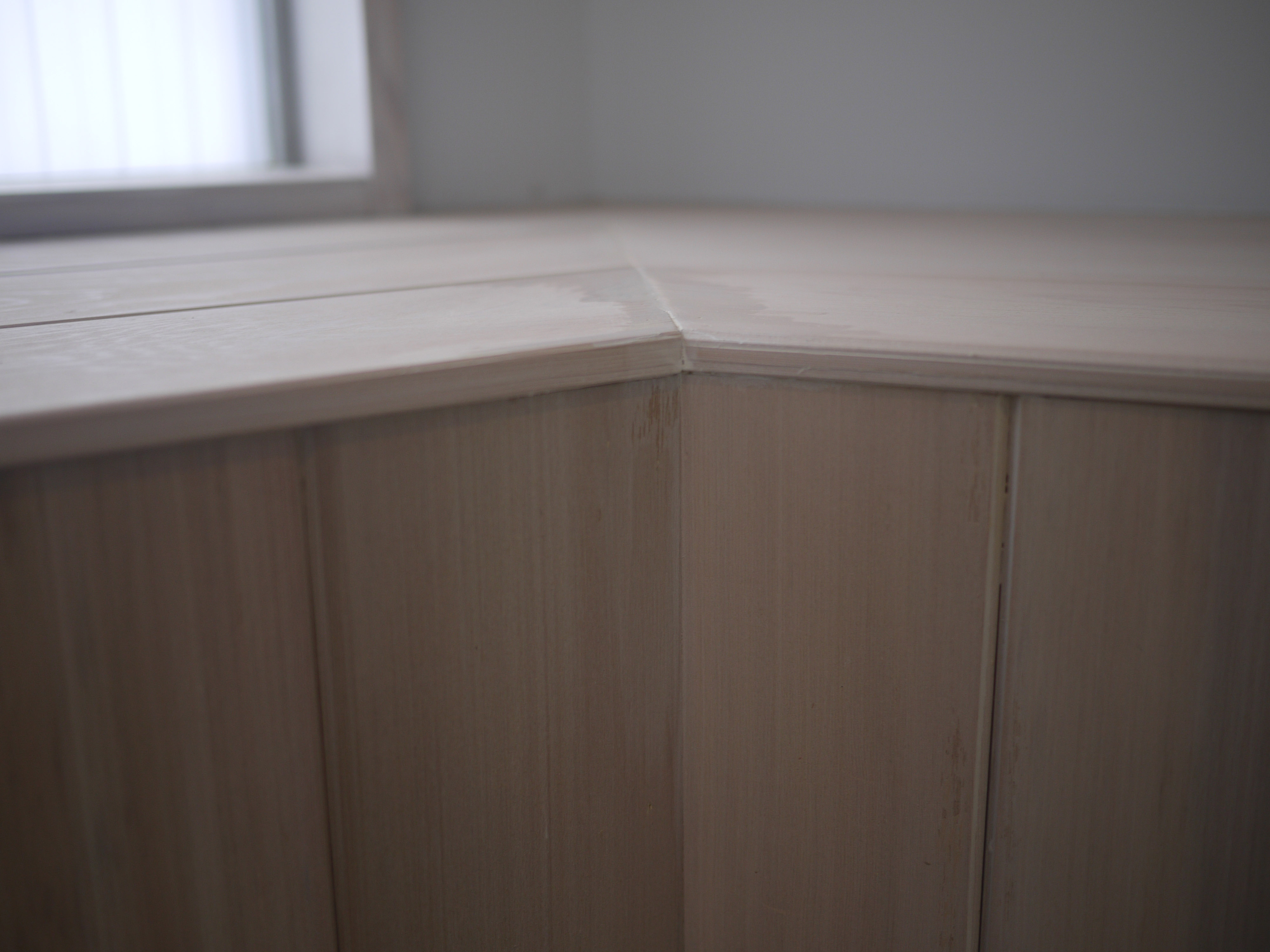
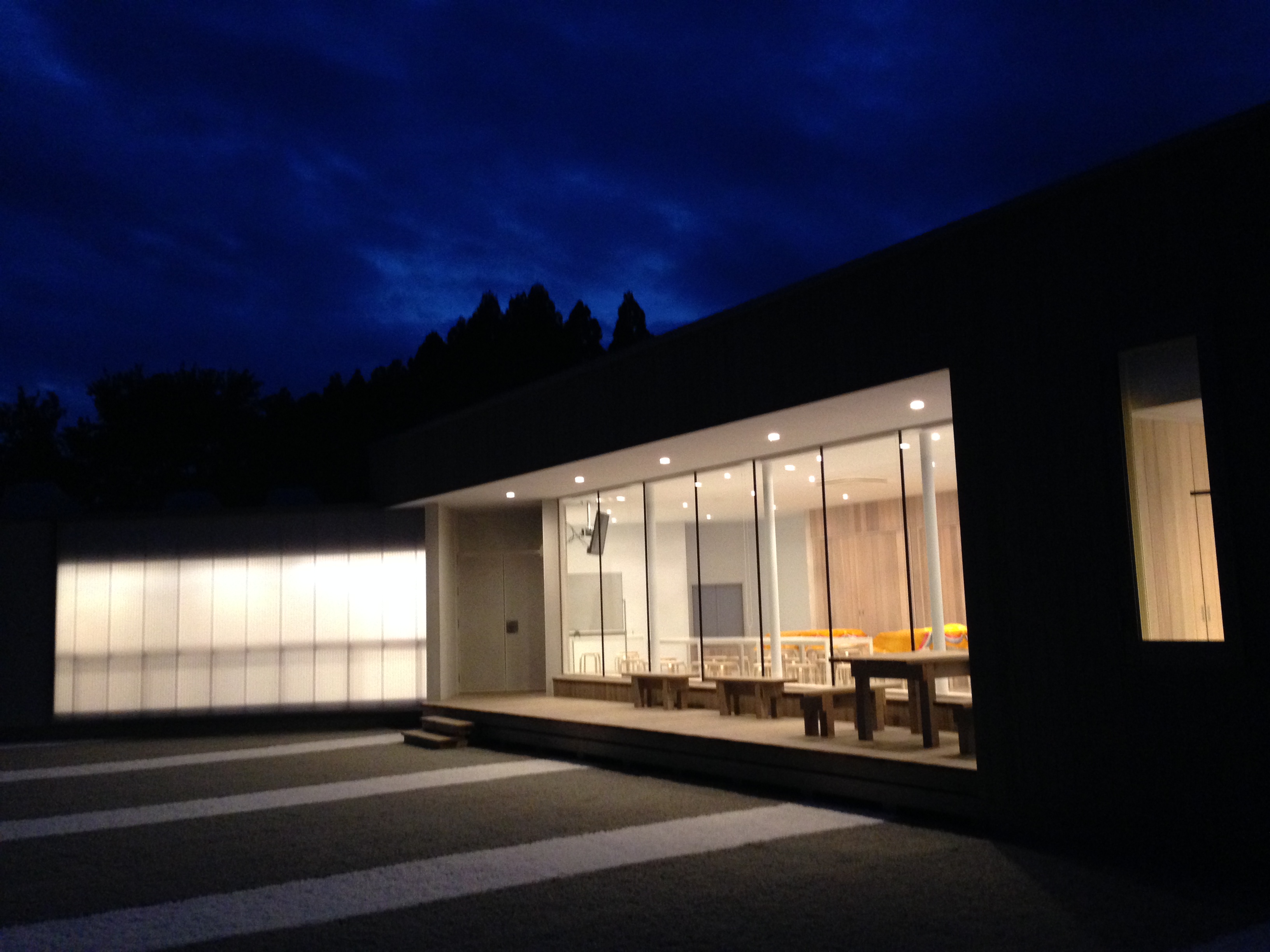
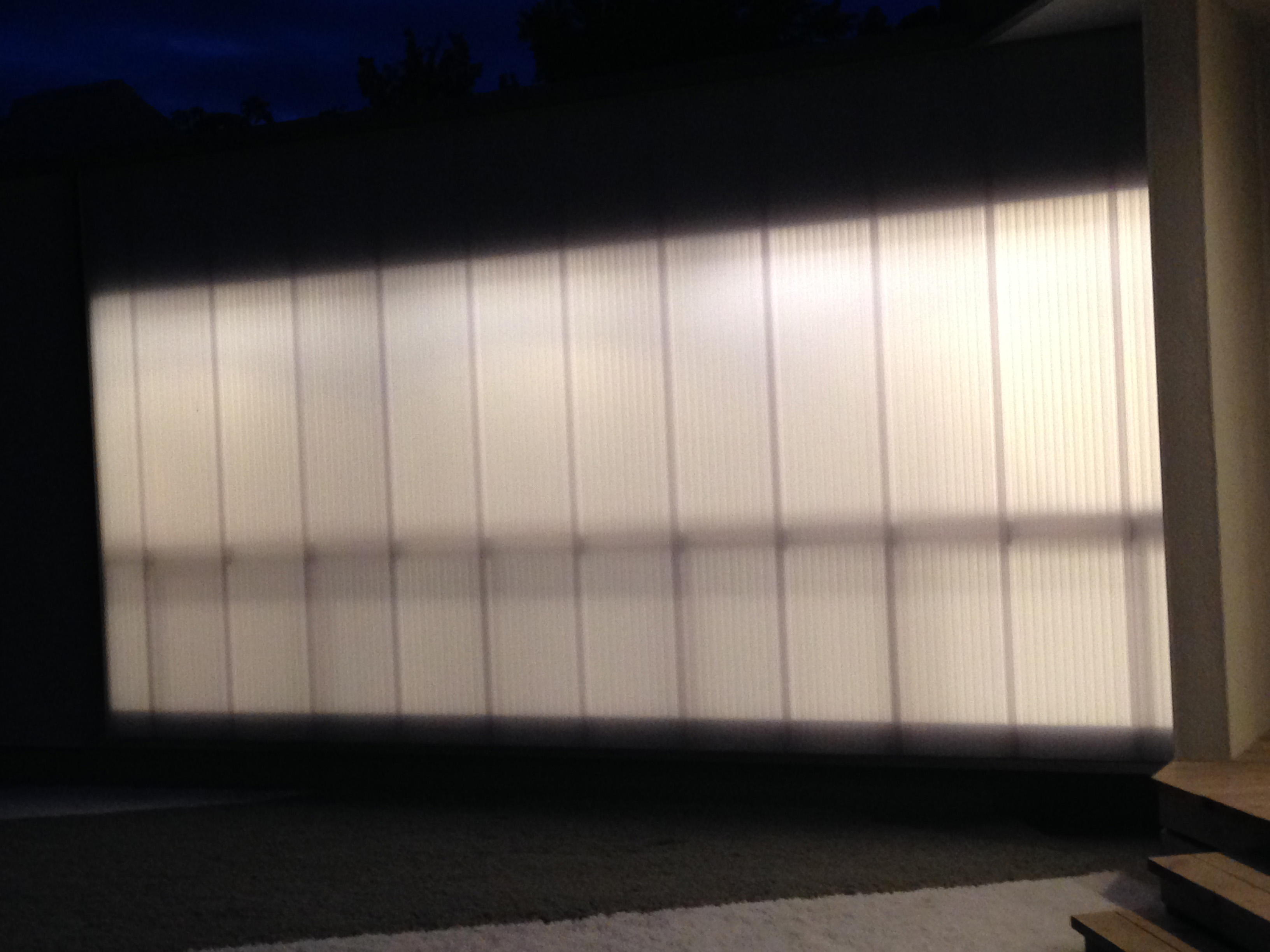
I did not want to start a catagory of Cool offices with our own design, but hey I think the club houses that we designed and have now been constructed are so cool that I just have to post them here.

We designed four “club houses” where teams can collaborate, brainstorm and focus on their projects. All these club houses will have a different theme, so the teams can chose a theme that fits their task. The whole idea is that the office becomes an inspirational space. This is a free address space, and we challenge the staff every day to find their favourite place to sit for the day.
More pictures on the left.
September 21, 2006
This has been quoted, used and abused so much that it has become wafer thin. (50 million results in Google.)
According to Wikipedia Louis Sullivan “borrowed” the quote from Horatio Greenough. Sullivan actually said: “Form ever follows function.” However, an Italian Jesuit monk Carlo Lodoli seemed to have laid the foundation for the Modernist credo in 1750 and Greenough while in Italy might have stumbled onto it.
Frank Lloyd Wright must have been in one of his many naughty moods when he proclaimed that: “Form follows function - that has been misunderstood. Form and function should be one, joined in a spiritual union. ”
Form follows function has, from Lodoli onwards, been a reaction against ornamentation, an attempt to express beauty in its purest and most simple, naked form. Adolf Loos wrote in 1906 an articel called “Ornament and Crime” in which he proclaimed that it was a waste of effort to add decoration to any product and that the decoration would soon be out of style. The machine aesthetics of the early 20th century dreamed of pure beauty freed from ornamentation. After all, Le Corbusier called decorative arts ‘the final spasm of a predictable death’, although when Le Corbusier talked about the beauty of mass manufactured goods, he wrongly used a hand-made Bugatti as an example of machine made aesthetics.
According to Reyner Banham Form follows function was an “empty jingle”, I could not agree more. It is not that I proclaim to abandon the credo, I think we should try to forget it. A scene in Fawlty Towers comes to my mind, Basil Fawlty is having car problems and decides to beat his car with a branch for letting him down. This is a scene from the late 70’s, when cheap cars such as the one Fawlty is driving had the tendancy to breakdown any moment. A Simca was said to start rusting in the show room.
Today, cars, even the cheapest ones start, anytime and they don’t rust. The technical functionality of the cars have been driven to such a perfection that we can forget about function and instead focus on design not as an expression of a function, but as an expression of an expression, self-expression. We buy cars, or any other products as a way of expressing ourselves. (more about this later).
I attended the ICCJ’s breakfast presentation by Nambu-san, the president of Pasona, a major temp staff company in Japan. Mr Nambu gave us some interesting insights into how he thinks the Japanese attitude towards work is changing. Pasona with a turnover of 132 billion yen, sees the future as one where employees, rather than companies decide on how, where and when they want to work. Using the example of a movie production, he urged the attendants to focus on their strategic goals while turning to Pasona to take care of the staffing to achieve these goals. “If you tell us to improve sales by 15%, that is what we’ll do” he went on.
The major change in the attitude towards work came according to Mr Nambu by the so-called “Freeters” . He mentioned that the change of attitude towards work has been personified by Horiemon, the now troubled CEO of Livedoor, Horiemon mentioned that the last thing he wanted is to have a working life like his father’s, who worked day and night for no rewards other than the good of the company. Freeters today are not interested in comanies per se and place more importance on their personal well-being rather than a company and might work as “arbeitos”, (part-time workers) rather than a steady job.
Next year around 330,000 new graduates will enter the market of which around 100,000 will postpone their job entries, of the remaining 230,000 30% will leave their job within the first year of employment.
An urgent message to companies with such alarming turn-over rates of staff.
September 14, 2006
You can read them on most corporate websites: the mission statements, core values etc…Nothing wrong with it, very important actually, only most of them are meaningless words if you ask me. The funny thing is that most of the core values seem to be an exercise in making the same statements as everyone else. Here are a few:
“We are an IT service provider providing value added business solutions at a world class level to our customers.”
I googled the above statement and got 6,430,000 sites with the exact words.
Here is another:
“Our vision is to be recognized as a leader in providing IT services.
To be a leader we must aim for:
- our customers to see us as the most trusted company.
- our employees to see us as the most desired place to work.
- our shareholders to see us their most valued company.
- to be seen as helping build a better community.”
And yet another:
“We aim to be a global organization that constantly stays a step ahead in dealing with change, creates new value, and contributes broadly to society.”
Don’t get me wrong, I understand that in order to get it, that you need to know what you want. Formulating your mission and core values are the first step, but is the next step limited to pasting these words on a website, or laminating them over a sunset and hanging them in a cafeteria or reception?
We never (ever!) had a client telling as at a start-up meeting: this is our mission statement, let’s see how we can translate it into our work environment.
A great opportunity missed! As I have said many times to our clients: offices tell more than words! Enough said.

PS. How about this advertisement slogan of a real estate company:
“We are unambiguously on the client’s side and we know the market.”
Mission, marketing statement? Somehow it make me think of ABBA
September 6, 2006
Tentatively set for 6th September I will present a seminar/workshop at the German chamber in Tokyo.
1. Why the office is crucial in leveraging staff motivation,
productivity and retention? General background on the importance of
the work place,
2. The issues that need to be taken into consideration to maximise
the office as a tool to improve motivation, communication,
productivity etc..,
3. WorkVitamins: a description of the methodology used,
4. Explanation of the Shared Workplace Vision exercise that
participants will use during the workshop,
5. Start Shared Workplace Vision exercise in groups of 5-6 people,
6. Presentation of the groups’ findings and reasoning behind their
proposals,
7. Q&A, discussion
http://www.dihkj.or.jp/
The website provides only Japanese or German info. The seminar will be held in English.

September 5, 2006
After 3 days of presentations, many keynote speeches and little time to digest all the information coming my way, my flight back to Japan gave me enough time to write some comments on the workshop. Basically it was very interesting flying all the way to Canada, particularly due to the mix of professionals with backgrounds ranging from biology to intelligence and law to landscape architecture, all who created unusually interesting points of view on the concept of telework.
The last workshop I visited was in Tokyo in 1999, at that time the focus seemed to be on the details of telework from a business perspective while in Canada, the theme has definitely broadened. However, I noticed a division of viewpoints within the conference. Brian O’Connell, a self-proclaimed “techie/geek”, and past president of the IEEE started the Workshop’s opening keynote presentation with a warning that an over-reliance on technology is leading to a dualism of ignorance in new technology and our faith in it. He suggested that engineers should stop living in the models that they build for themselves. Brian summarized his thinking by quoting P. Goodman: “Technology is a branch of moral philosophy, not a science” and urged for the technological studies to integrate with social disciplines and use more reflective knowledge in their work. Mike Hollinshead picked up this line of thinking, and as a futurist he reminded us of the closed circuit of our ecological system. Mike painted a networked future for us with self-sufficient localities.
Some other presenters put more faith in technology and looked at issues where a technological approach could help to solve contemporary issues such as biological threats like SARS or the Avian Bird Flue. A presentation by Maya Hadzic on the creation of an anti-terrorist digital ecosystem seemed to look at bridging this gap, although it triggered a heated discussion.
Finally, I felt that some of the “old hands” of the teleworkshops seemed to be searching for a new perspective on the concept of Telework. Svein’s presentation: “Did telework fail?” or Reima’s presentation were a case in point. Svein mentioned that the term telework does not receive as much attention as it used to. Personally, I felt that telework needs a marketing revamp, as I mentioned above, the range of topics and the various professionals I met at the workshop was beyond what I thought of the concept of telework.
I mentioned to Svein that his question whether telework failed reminded me of the careeer of John Travolta. During the late 70’s and early 80’s Travolta was very popular but seemed to have a rather limited ability of acting. His great come back in Pulp fiction showed that John Travolta could do more than dance movies. Maybe that is what we need of the term telework: a shift or broadening of definition, looking back at the Workshop I feel that that is a definite possibility.
September 1, 2006
Having to wait twice for my transfer at Toronto’s airport for six hours each time, I noticed a pattern of how rows of seats at lounges at the departure gates are being filled up. Seats are arranged parallel to the window in groups of eight seats with a small table attached in between 4 seats. I was one of the first to arrive and went to sit close to the window. More people came and picked seats either at the far end of the seat row or like me, at the window. Once most of these seats were taken people took the seats in between, making sure to keep a distance of two to three seats open. If possible people avoided sitting directly in front of each other, making sure they sit diagonal from each other. The seats are arranged in sucha way that people are not facing each other anayway. The last open seats would then be picked up by those arriving last.
Interestingly, as I had 6 hours to kill I tried, as an experiment I went to sit at lounges where few people were sitting, and the same pattern occurred every time.
A perfect example of the Prospect Refuge law.